
Navigating the World of Graduate School Student Loans: A Comprehensive Guide
Understanding the Financial Landscape of Graduate School Loans
The Different Types of Student Loans: Federal vs. Private
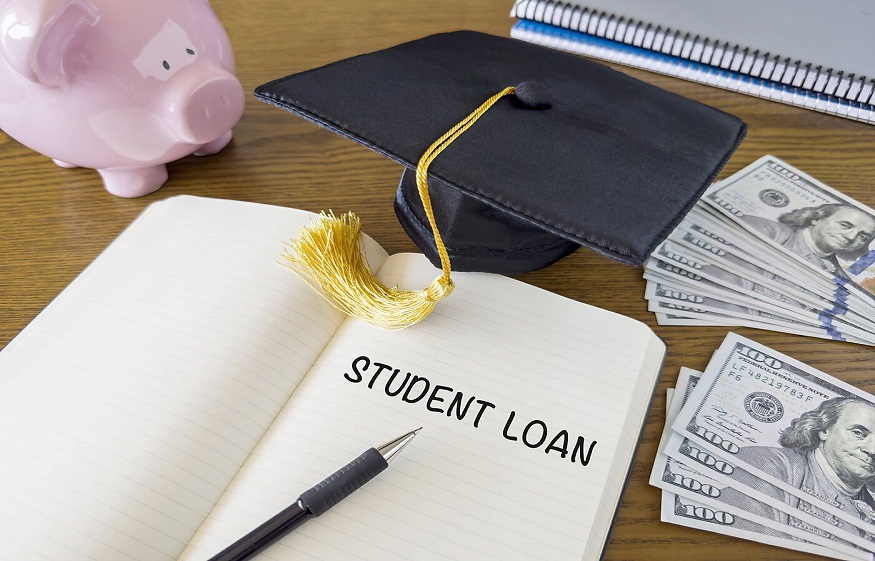
The landscape of student loans can be overwhelming, especially when it comes to graduate school student loans, as many students find themselves balancing advanced educational goals with significant financial responsibilities. Understanding the key differences between federal and private student loans is essential when deciding how to fund your education. Federal student loans are issued by the government and generally come with advantages that make them more favorable than private options. These benefits often include lower, fixed interest rates, structured repayment plans, and flexible options such as income-driven repayment, which adjusts monthly payments based on your income. In addition, some federal loans offer forgiveness programs under certain conditions, including careers in public service.
Read More : The Pros and Cons of Using an Online Home Loan Calculator
In contrast, private student loans are provided by banks, credit unions, and other financial institutions, and they often carry variable interest rates that can rise over time, potentially increasing the overall cost of borrowing. These loans typically require a credit check, which may pose challenges for individuals with limited or poor credit histories. Furthermore, private lenders usually offer less flexibility in repayment terms, leaving borrowers with fewer options if they face financial hardship during or after their studies. Overall, while private loans can help fill funding gaps, federal loans tend to offer greater protection and long-term savings for those navigating graduate school student loans.
How Interest Rates Shape Your Borrowing Experience
Interest rates play a fundamentally shaping role in the overall borrowing experience and can significantly influence the long-term financial viability of your education investment. Federal student loans typically offer fixed interest rates that are set by Congress, meaning they remain constant throughout the life of the loan, providing predictability in repayment planning. Unlike federal loans, private loans can feature variable interest rates that may change based on market conditions, which might lead to uncertainty regarding future payments.
Understanding the impact of interest rates is crucial; even a small difference in the rate can lead to substantial variances in overall repayment costs. For example, borrowing $50,000 at an interest rate of 5% versus 7% could lead to an extra few thousand dollars in repayment over ten years. Therefore, prospective graduate students should closely examine current market rates and historical trends when determining when to borrow and how much. Opting for a lower interest rate, whether through federal loans or well-researched private loans, can drastically reduce the financial burden during and after their education.
The Impact of Loan Terms on Your Financial Future
Loan terms significantly affect both the immediate and long-term financial future of graduate students. Generally, student loans come with a variety of terms, often ranging from 10 to 25 years. A longer loan term can lower your monthly payment, which may seem like a relief in the short term. However, this may also lead to paying significantly more in interest over the life of the loan, as the interest continues to accrue for a longer duration. For example, choosing a 25-year repayment plan will reduce your monthly obligation but could effectively double the overall interest cost compared to a 10-year repayment plan.
Furthermore, it is important to balance your loan terms with your anticipated earnings upon graduation. Many graduate programs, particularly in fields such as law or medicine, can lead to high-paying jobs that allow for more aggressive repayment strategies if borrowers choose shorter repayment terms. Evaluating your career path and understanding how much you can reasonably expect to earn post-graduation can inform your decisions about which loan terms best meet your financial picture. In essence, doing your homework on both educational and financial outcomes is critical for crafting a successful borrowing strategy.
Crafting Your Graduate School Budget: Plan or Perish!
Estimating Tuition and Fees: What’s in Your Future?
Tuition and fees often represent the most visible component of a graduate school budget, but the nuances can vary greatly by institution, program, and geographic location. Start by examining tuition costs across various schools and programs, as these can range from a few thousand to over $60,000 for certain elite institutions. When budgeting, it’s important to not only factor in the direct tuition costs but also to account for mandatory fees that can add up significantly. This might include technology fees, student activity fees, library fees, and even on-campus facilities fees that may not be immediately apparent in advertised tuition prices.
Graduate students should also take the time to consider the potential for tuition increases over the duration of their program. Some institutions may periodically raise tuition, often by a few percentage points each year, which can add a substantial burden over the total duration of your studies. Building a comprehensive budget that estimates these costs accurately will not only create a more reliable financial plan but will also facilitate conversations about financial aid with the school’s financial aid office.
Beyond Tuition: Hidden Costs of Graduate School
While tuition is the most visible expense when entering graduate school, the hidden costs often become the unanticipated burdens that disrupt a well-planned budget. Students should prepare for expenses associated with textbooks and course materials, which can range anywhere from a few hundred dollars to several thousand depending on the program. Additionally, there are often required technology purchases, such as laptops or software necessary for specific fields of study.
Living expenses can also be a significant consideration. Students often underestimate costs related to housing, meals, transportation, and other daily living expenses. Higher education institutions located in urban areas may present higher rent prices, compelling students to budget more effectively for housing or consider roommate situations. Furthermore, don’t forget about health insurance or the cost of medical expenses that could arise while studying, which can be particularly impactful during stressful times. Crafting a detailed budget that captures all these hidden expenses ensures that students are not caught off-guard when they inevitably arise.
Strategies for Budgeting Effectively While in School
Creating a workable budget while in graduate school requires strategic planning and a commitment to financial discipline. Utilizing budgeting tools, such as apps or spreadsheets, can help keep track of income and expenses with greater accuracy. It’s instrumental to categorize expenditures into necessities (like tuition, rent, and food) and discretionary spending (such as entertainment or dining out). By identifying where your money is going each month, it becomes easier to find areas for potential savings.
Additionally, graduate students should consider setting up a sinking fund for irregular expenses, putting aside small amounts periodically to cover costs that aren’t monthly, like textbooks or registration fees. Evaluate opportunities for part-time work or internships related to your field; not only can this provide additional income, but it can also enhance employability post-graduation. Finally, take advantage of student discounts whenever applicable—many businesses and services offer student rates that can help manage both predictable and unpredictable expenses.
Avoiding the Debt Trap: Smart Borrowing Techniques
Knowing When to Borrow: How Much Is Too Much?
One of the most critical aspects of navigating graduate school loans is knowing how much to borrow. Having a clear understanding of your financial situation will guide you in determining how much debt is reasonable to take on. Begin by assessing your current savings, income potential upon graduating, and existing financial obligations. This holistic evaluation will inform a more sustainable borrowing strategy.
When considering how much to borrow, a useful rule of thumb is to ensure your total debt does not exceed your expected first-year salary in your chosen field after graduation. This principle helps keep your debt manageable and enables smarter repayment strategies. Examine federal loan limits and explore additional options for scholarships, grants, and assistantships that can help reduce your overall borrowing needs significantly. By using careful assessments and being mindful of potential future earnings, you can help mitigate the risk of falling into the debt trap.
Leveraging Scholarships and Grants: Free Money Awaits!
In the race for financial aid, students often overlook the significant impact of scholarships and grants, which are forms of funding that do not require repayment. Prospective graduate students should dedicate time to researching and applying for such opportunities that align with their academic or professional goals. Many universities and professional organizations offer scholarships specifically for graduate students demonstrating academic excellence, diversity, or intent to work in high-need areas.
Additionally, government and nonprofit organizations frequently provide grant opportunities aimed at particular majors, communities, or professions. Websites dedicated to scholarships can also simplify the search process, offering a broad catalog of potential funding options. By harnessing the power of these resources, students can lighten their financial burden and potentially avoid taking on excessive student loan debt altogether. Regularly checking in with your school’s financial aid office can also yield new opportunities as programs or funds become available to students.
Strategies for Repaying Loans While Still in School
While in graduate school, you might believe that loan repayment is a concern for future selves, but taking proactive measures can lead to significant financial relief down the road. First, consider making interest-only payments on your loans while still in school. This strategy keeps your interest from capitalizing, meaning you’re not accruing further interest on top of interest, which can compound over time, leading to a heavier eventual load.
Another proactive approach includes researching deferment or forbearance options for specific loans, which can allow you to put payments on hold temporarily during hard financial times, ideally while you set your budget or adapt to living costs. Lastly, use your time in school to learn about possible refinancing opportunities you might consider after graduation—especially if you expect a significant income boost that can reduce interest rates on existing loans. By preparing for repayment while still enrolled, you can ease the transition into financial independence and mitigate what can be a stressful post-graduation period.
Making Loan Repayment Manageable: Your Path to Financial Freedom
Exploring Income-Driven Repayment Plans: A Lifeline for Borrowers
With the burden of student debt looming over many graduates, income-driven repayment (IDR) plans have emerged as a critical lifeline for borrowers seeking manageable payments. These federal repayment options tie the monthly payment amount to income and family size, ensuring that students are not financially overextended post-graduation. The three main IDR plans—Revised Pay As You Earn (REPAYE), Pay As You Earn (PAYE), and Income-Based Repayment (IBR)—can significantly reduce monthly payments towards federal loans.
The major advantage of IDR plans is their flexibility. If income decreases or other financial strains arise, borrowers can apply to recalculate their monthly payments based on their updated financial situation. Moreover, after 20 or 25 years of qualifying payments under these plans, any remaining loan balance could potentially be forgiven, offering a pathway toward financial freedom for many graduates. However, while these plans provide relief, it is crucial to understand that remaining loan balance forgiven under IDR may be considered taxable income, prompting the need for careful long-term financial planning.
The Role of Loan Forgiveness Programs: Can You Qualify?
Loan forgiveness programs can be an instrumental factor in alleviating student debt, particularly for graduates entering public service fields. Programs like Public Service Loan Forgiveness (PSLF) offer forgiveness after making 120 qualifying monthly payments under an IDR plan while employed full-time with an eligible employer, such as government entities or nonprofit organizations. But the qualification process can be intricate, requiring careful documentation and compliance with specific eligibility requirements.
Moreover, recent changes aimed at simplifying the process could provide additional opportunities for forgiveness for borrowers who may have previously been denied due to technicalities. Understanding these options and advising others to navigate them correctly can lead to significant financial relief. Before proceeding, it is advisable to consult the official federal student aid website or further research the requirements specific to the program you may be considering, ensuring that you leverage these opportunities for loan forgiveness effectively.
Building a Post-Graduation Financial Plan: Taking Control of Your Future
Lastly, establishing a robust post-graduation financial plan is crucial in managing your student loans. Begin by crafting a comprehensive financial overview that combines loan repayment with budgeting for living expenses, savings, and potential investments in your future. Start with establishing an emergency fund to cover unforeseen circumstances, which can provide a financial buffer as you transition from school to the full-time workforce.
Read More : Top Reasons Why a Personal Loan Can Be Your Best Financial Backup
Next, prioritize loan repayment plans that are in alignment with your career trajectory. Determine whether to target high-priority loans first or spread your payments across multiple loans for consistent repayment. Aim to set realistic, measurable financial goals to track your progress over time, fostering a sense of accomplishment. Additionally, consider engaging with a financial advisor who specializes in student debt or post-graduate financial management; they can equip you with tailored strategies for long-term debt relief and freedom. In doing so, you take the first steps not just to survive the next chapter but thrive financially in your future endeavors, armed with a clarity of purpose and an actionable plan for success.